Vaccinations and Preventive Care
While making your travel plans, check if your destination requires or recommends any vaccines. Some of the more common travel-related ones include yellow fever, typhoid, hepatitis A and B, cholera, Japanese encephalitis, rabies, and meningococcal vaccines. While these may vary based on the region and its risk level, they are often recommended for destinations with limited sanitation, rural exposure, or higher rates of infectious diseases.
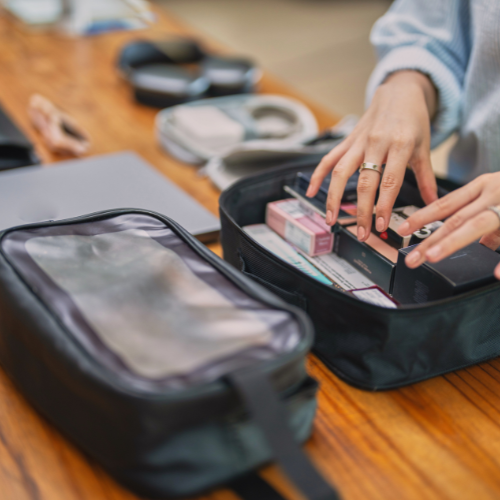
Being mindful of important travel health considerations, like recommended vaccinations and travel health insurance, will help you to make the most of your journey and avoid unexpected setbacks.
To allow enough time to develop full immunity, speak with a travel health provider at least 6 weeks before departure. Some vaccines require multiple doses spread out over several weeks before your trip. You may also need preventive medications, such as if you’re headed to places where malaria infections are common. This appointment can also be a good time to see if you may be due for other routine vaccinations, including those that protect you against measles, tetanus, HPV (human papillomavirus virus), and shingles.
Not sure what to ask about at your travel consult? Start with the following:
- What vaccines and medications would you suggest for my destination?
- Are there health advisories or outbreaks in my destination I should know about?
- Are there any risks relevant to my current medical conditions to think about?
Travel Health Insurance
Once your medical planning is in motion, turn your attention to health coverage. Your provincial or territorial insurance may not cover emergency care abroad, and costs can escalate quickly, especially if hospitalization, air evacuation, or specialist care is needed.
At a minimum, look for a travel insurance policy that covers medical evacuation fees and for any pre-existing medical conditions. You might also want to consider trip interruption or cancellation coverage if there are any situations that end your trip early or from even starting, respectively.
Make sure to know how to access emergency support through your insurer while abroad. Saving a digital copy or an email of the policy on your phone and printing a backup for your wallet is a smart move.
Medication and Health Supplies
Be sure to pack enough of your prescription medications to last your entire trip, including a few days’ extra in case of delays. Carry them in their original, labelled containers, especially if you’re traveling with controlled substances or injectables. Not all medications, even prescription products, may be allowed in certain countries; check with the embassies or consulates of any countries you’re entering beforehand.
Beyond your usual medications, it’s wise to pack a basic travel health kit, including:
- Pain relievers
- Allergy medications (i.e., antihistamines)
- Anti-diarrheal medication
- Electrolyte powders or solutions
- Motion sickness tablets
- Insect repellent and sunscreen
- Hand sanitizer and masks
Depending on your personal needs and your travel plans, you may also want to pack a small first aid kit, a digital thermometer, or moisturizing eye drops. If you have a severe allergy, such as to peanuts, shellfish, or certain medications, consider wearing a medical alert bracelet that clearly communicates this, especially if language barriers might delay care in an emergency.
Destination-Specific Risks
Understanding your destination’s health environment can make a big difference. In some regions, tap water may be unsafe, even for brushing your teeth. In others, mosquito-borne illnesses like dengue or Zika are more of a concern than malaria. Doing some research online or getting guidance from a travel health provider can help you take the right precautions without overpacking.
If you’re heading to higher altitudes or tropical climates, be prepared for physical challenges. Even healthy travelers can feel the effects of heat, humidity, or altitude, so it’s important to pace yourself accordingly. Gradually increasing your physical activity, staying hydrated, and protecting yourself from heat or sun exposure can prevent health complications. For example, if you're planning any outdoor adventures, it’s worth checking if there are specific risks such as tick-borne illnesses, venomous wildlife, or environmental hazards.
Documentation and Records
Along with your passport and flight details, be sure to pack essential health-related documents. Carry a printed list of your medications, medical conditions, allergies, and emergency contacts. If your destination requires proof of vaccination (such as a yellow fever certificate), keep it with your travel documents.
Store digital copies of key documents, like your travel insurance policy, prescriptions, and identification, in a secure, online file-sharing system like Google Drive or email them to yourself. This way, if anything is lost or stolen, you can still access what you need quickly. These can include:
- Printed and digital copies of your vaccination record
- Your current prescription list, and if relevant, and a doctor’s letter
- Your travel insurance card and their emergency contact numbers
- Emergency contact details saved on your phone
- Local emergency services number for your destination
- Contact information for the Canadian embassy or consulate at your destination
International travel is one of life’s great opportunities, but it’s also when our usual safety nets are furthest from reach. With a little planning and a well-stocked carry-on, you can reduce your health risks and feel confident navigating new environments. Safe travels!
All material copyright MediResource Inc. 1996 – 2026. Terms and conditions of use. The contents herein are for informational purposes only. Always seek the advice of your physician or other qualified health provider with any questions you may have regarding a medical condition. Source: www.medbroadcast.com/healthfeature/gethealthfeature/Travel-Smart-Your-Pre-Trip-Health-Checklist